

Since its creation, the CEA has been involved in biological and health research, and intends today to leverage all the expertise it has developed over the years to contribute to the emergence of the medicine of the future, in close collaboration with clinical research institutions. Based on cutting-edge fundamental research, it envisions and develops smart medical technologies to deliver new generations of therapies and transform current medicine into a more predictive, personalized, and preventative approach where the patient becomes a central player in the healthcare journey.
Our missions
Developing technologies to fight against brain diseases
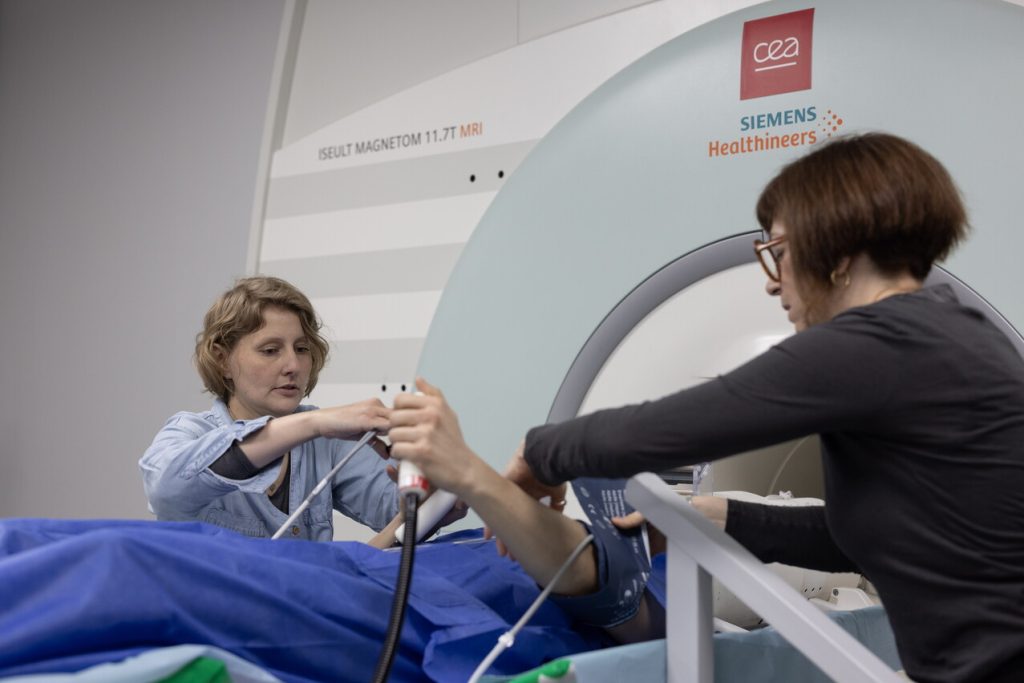
With an aging population, cases of brain diseases are increasing, but their causes remain unknown and treatments don’t exist. Furthermore, the brain is a difficult organ to access for diagnosis and treatment. Faced with these challenges, the CEA is investing in deciphering brain function, notably through its expertise in ultra-high-field magnetic resonance imaging (MRI). It is also developing therapeutic solutions for diseases caused by brain dysfunction.
Fighting against infectious and emerging diseases
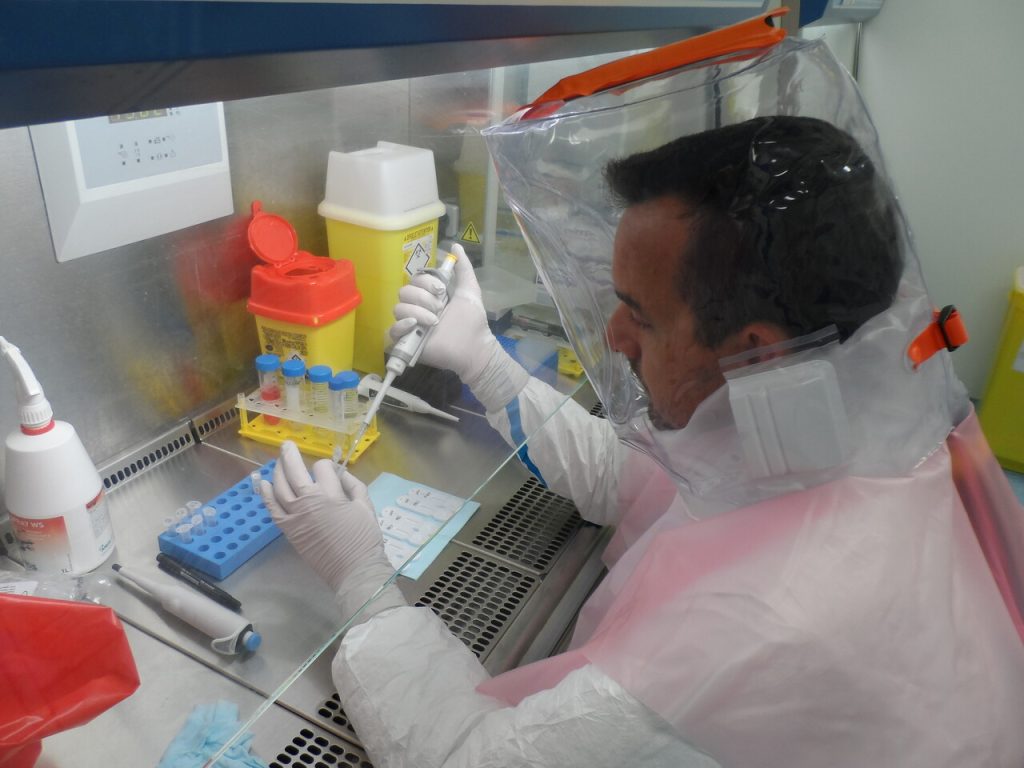
Faced with the emergence of new infectious diseases, the appearance of multi-resistant bacteria, and the need for new treatments, new diagnostic and therapeutic approaches must be developed. The CEA conducts research ranging from understanding the mechanisms of these diseases to developing treatments, including screening tests and new prevention approaches.
Developing targeted cancer-fighting technologies
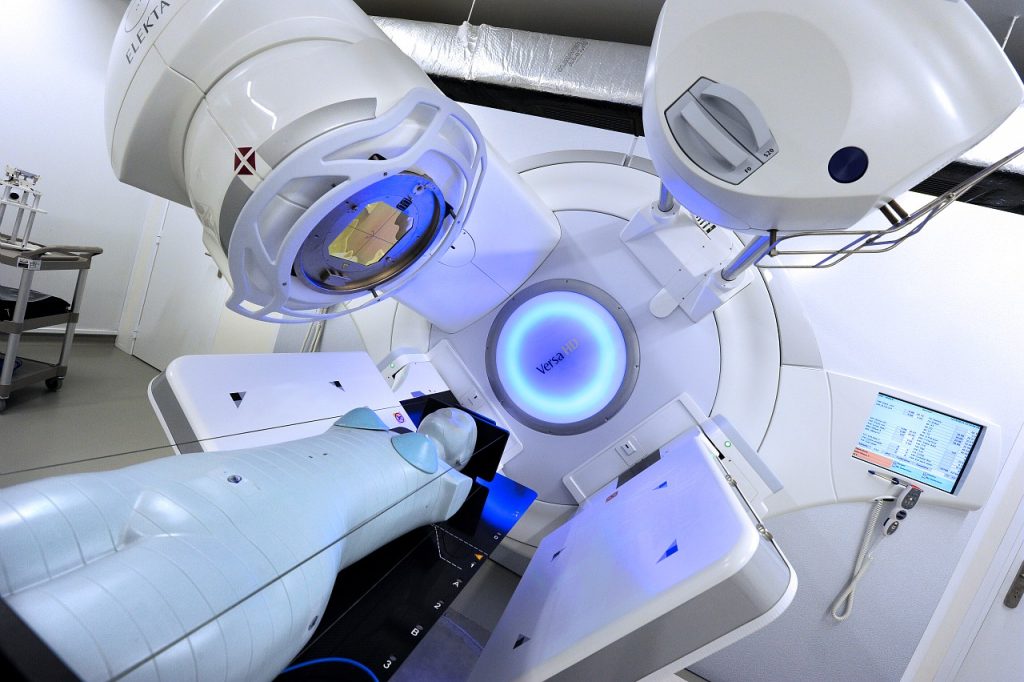
Despite considerable progress, cancer remains one of the leading causes of death worldwide. To increase survival rates and reduce side effects, it is essential to improve the personalization of diagnosis and treatment. The CEA develops tools to characterize and better target cancerous tissues, improve diagnosis, personalized treatment, and therapeutic monitoring of cancers.
Personalized precision medicine
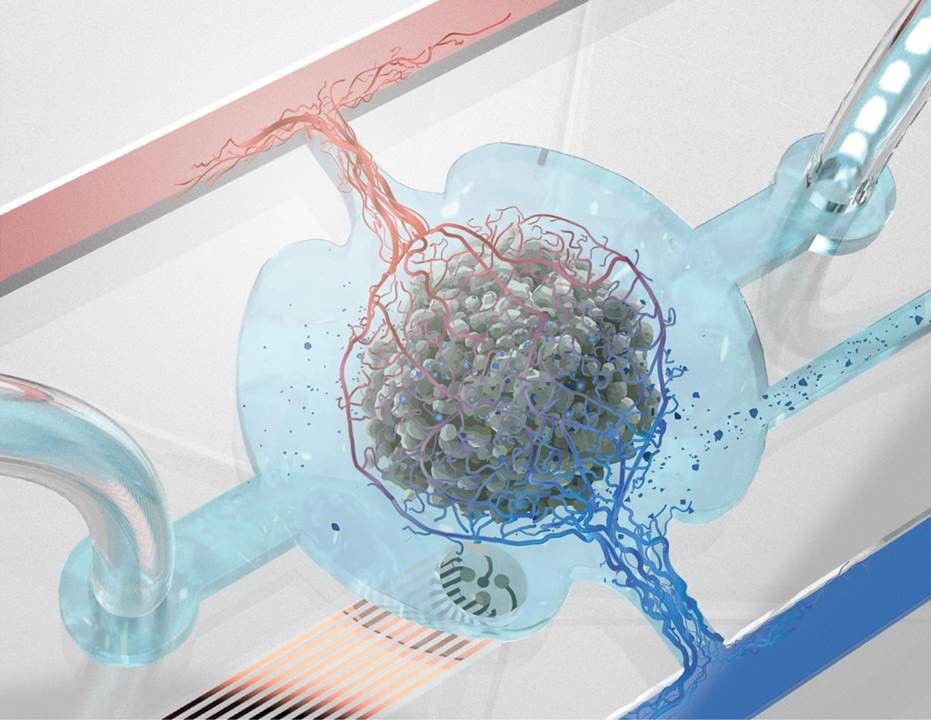
Advances in medicine offer faster and more precise diagnostic and monitoring systems, centered on the patient, and increasingly personalized therapies and medical follow-up. At the same time, patient autonomy will be strengthened by offering connected, intelligent, and portable devices. Whether it involves the development of specific biomarkers, organoids-on-chips, implants, etc., the CEA is fully committed to precision medicine.
Supporting industry and clinical practice
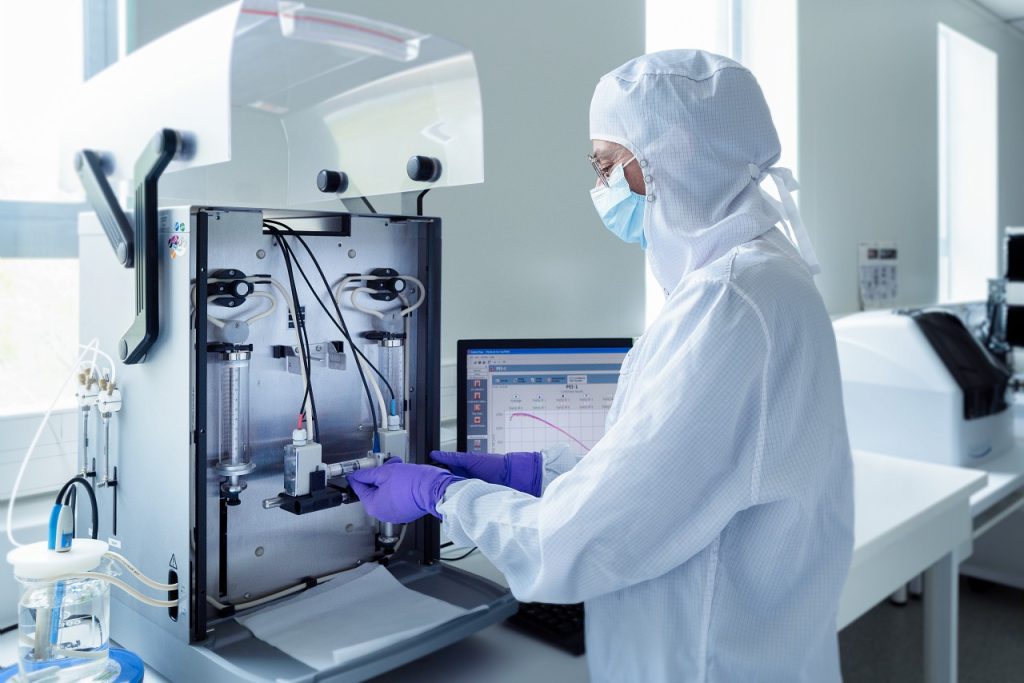
The health crisis has highlighted France’s industrial and therapeutic dependence in the healthcare sector. It lags significantly behind in the production of medicines and biotherapies, and its healthcare system needs to be strengthened. The CEA develops disruptive solutions for the design of future treatments, supports manufacturers in optimizing production tools, and works to accelerate the transfer of new technologies to patients and hospitals.
Deploy an integrated approach to health: One Health
At least 60% of infectious human diseases come from animals. The global population growth and the impact of climate change on the environment play a major role in the spread of diseases. Living organisms and ecosystems are interconnected, and the One Health approach considers human health by taking these complex links into account within a comprehensive approach to health challenges.

Credits : Y. Audic/CEA, L. Bellanger/CEA, L. Godart/CEA, CEA, A. Aubert/CEA, Adobestock