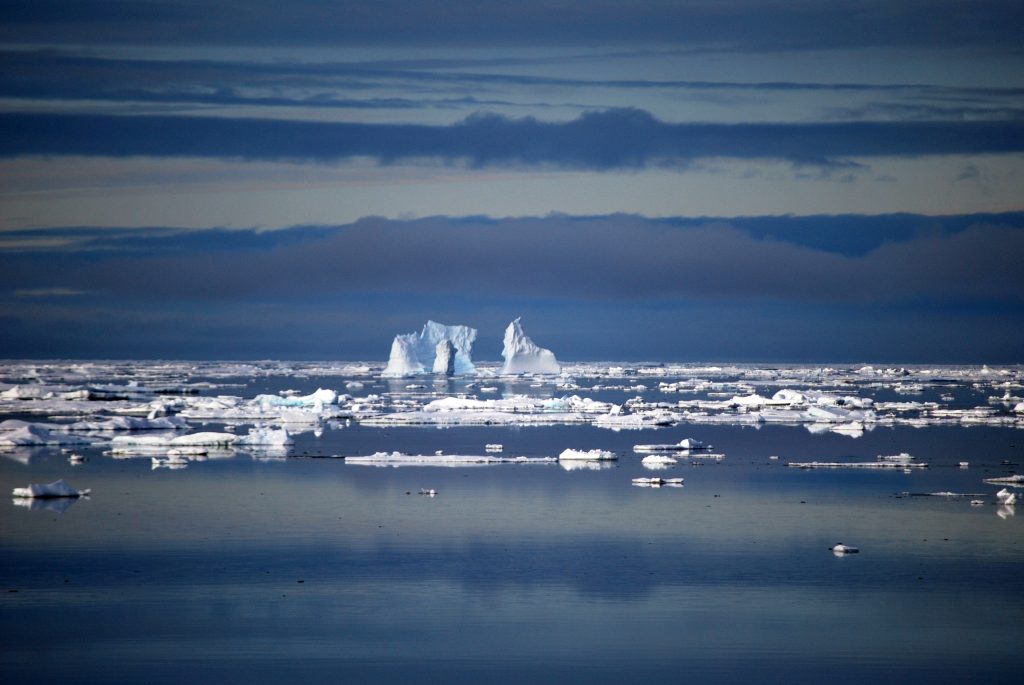
To meet both the current and future stakes of the energy transition which is necessary to fight climate change, the CEA has been leading research on low-carbon power systems combining nuclear and renewable energies. This research covers low-carbon power production methods, the systems used for energy storage, control and conversion, and resource management within a circular economy strategy. This wealth of expertise serves the interests of the French public authorities and industry players. The CEA also works on understanding and assessing the impacts of climate change. In particular, it participates in developing predictions within the framework of international greenhouse gas emission scenarios, drawing on observations of past climates as well as modelling and simulation using powerful computing resources.
Our missions
Low-carbon energy production
To achieve our carbon-neutral objectives by 2050, the CEA is working on various building blocks of low-carbon energy production systems for supporting the current and future nuclear fleet as well as the development of small modular reactors (SMR), R&D on PV solar power and hydrogen.
Energy system control and management
CEA is investigating tools that offer flexibility and energy storage methods, along with smart-load grid management and power conversion possibilities. It is specifically focusing on the performance and energy efficiency of complex energy systems.
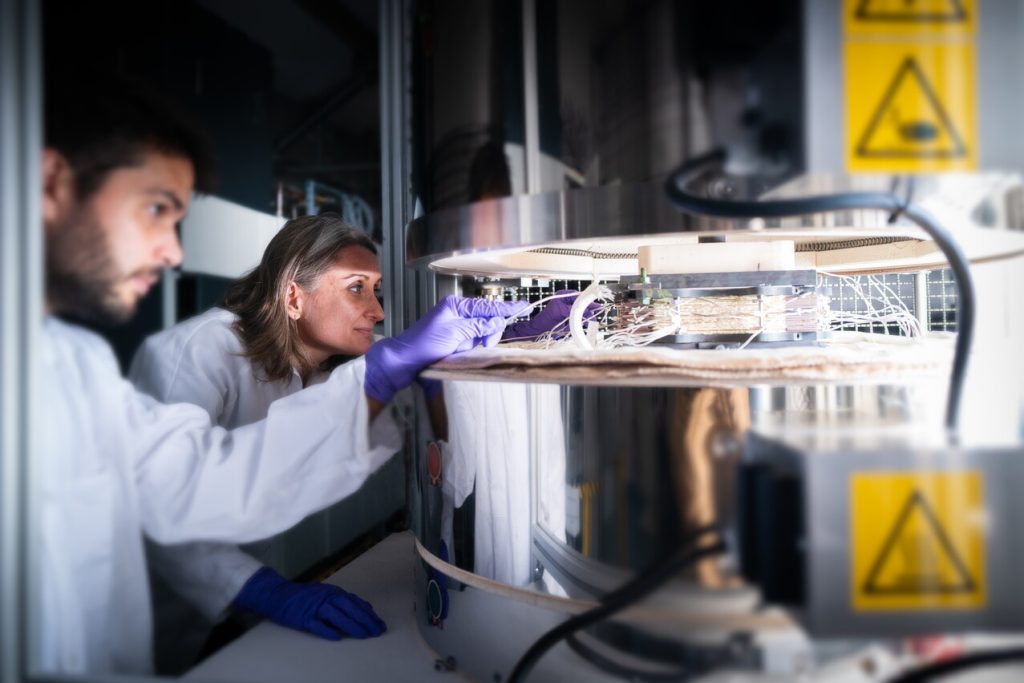
Circular economy
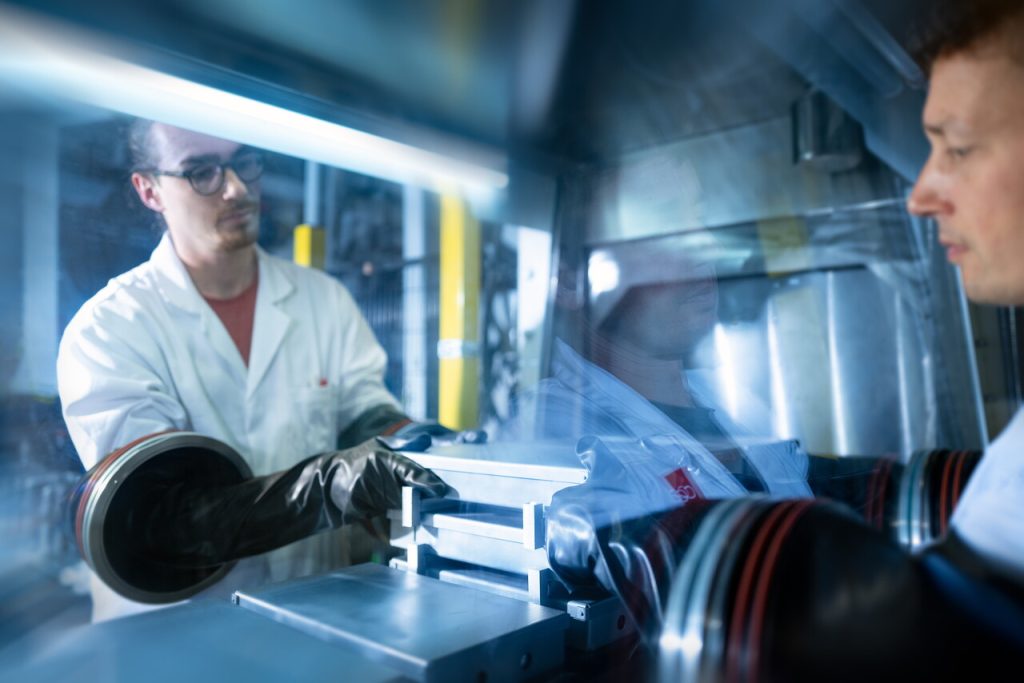
Optimisation of the nuclear fuel cycle phases, from extracting materials to managing nuclear waste, recycling atmospheric and industrial carbon dioxide, and reducing the environmental impact of technologies and energy systems from design: these are some of the circular economy challenges that the CEA is tackling through its research and development on the energy transition.
Climate and environment
The CEA studies past, present, and future climate change on timescales ranging from a few decades to geological timescales, its relationship to the carbon cycle, its impacts on the environment, and its links to the living world (humans, ecosystems). On a shorter timescale (0-20 years), its work aims to understand in detail the ongoing climate changes linked to human activities (greenhouse gas emissions) and their local manifestations, particularly with regard to extreme weather events. Other CEA research focuses on the study of earthquakes and tsunamis.