

In a context marked by the growing importance of smart systems and objects (for mobility, energy, manufacturing, communications, etc.) as well as data (whether from industry or academia), the CEA is contributing to a digital transition that safeguards France’s strategic, economic, and sovereignty interests while addressing societal and environmental concerns together with scientific and industrial needs. This contribution also relies on the development of next-generation computing technologies, particularly quantum computers, which are opening up new perspectives in simulation, data processing, and scientific research.
Our missions
Supporting sovereign, eco-responsible, and competitive microelectronics
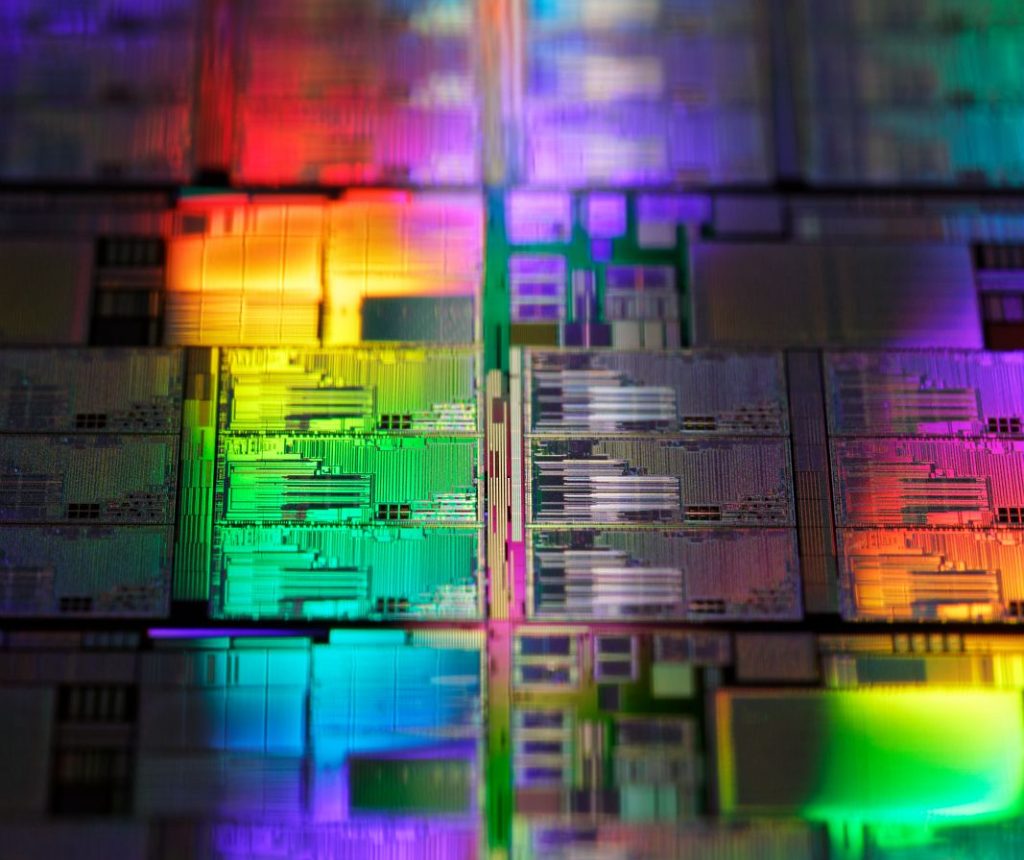
Two imperatives are redefining the digital roadmap: Eco-responsibility and reducing the vulnerability of supply chains and dependence on foreign monopolies. To achieve these objectives, the CEA has developed FD-SOI technology, which is becoming a global standard in embedded systems.
The CEA is also a pioneer in the electronics of the future (neuromorphic architectures, 3D stacking, spintronics, etc.).
Towards an agile and optimized industry of the future
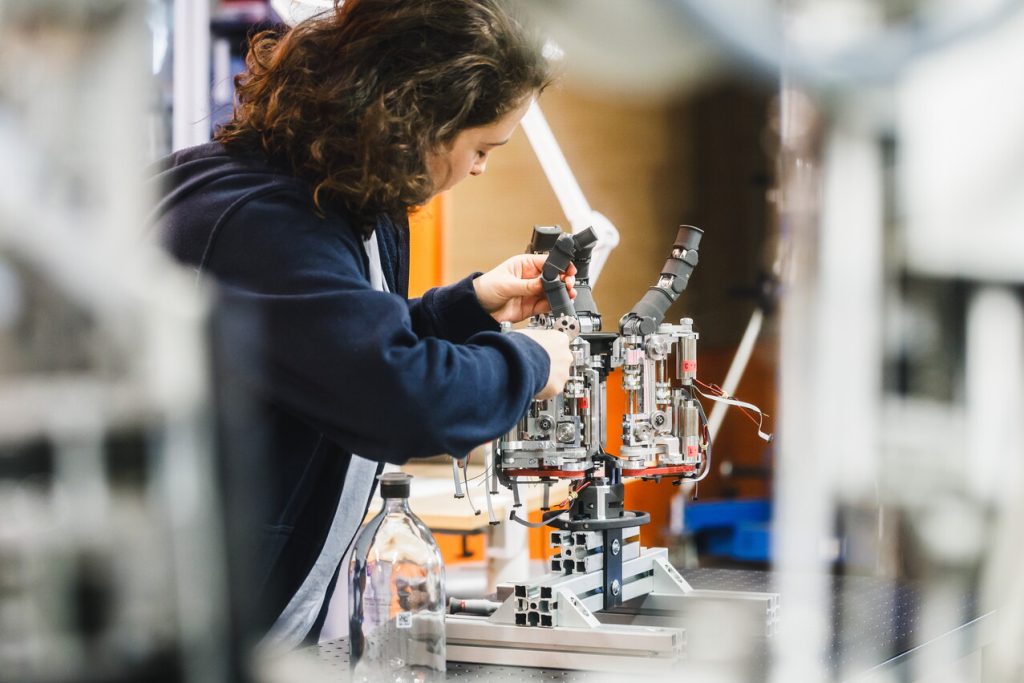
Digital transformation is revolutionizing industry, large facilities, and value chains. The result is greater production adaptability and enhanced traceability to minimize the environmental impact of products while guaranteeing their quality. By working on intelligent robotics, additive manufacturing, and digital twins, the CEA is contributing to this industrial transformation.
Designing artificial intelligence that respects societal challenges
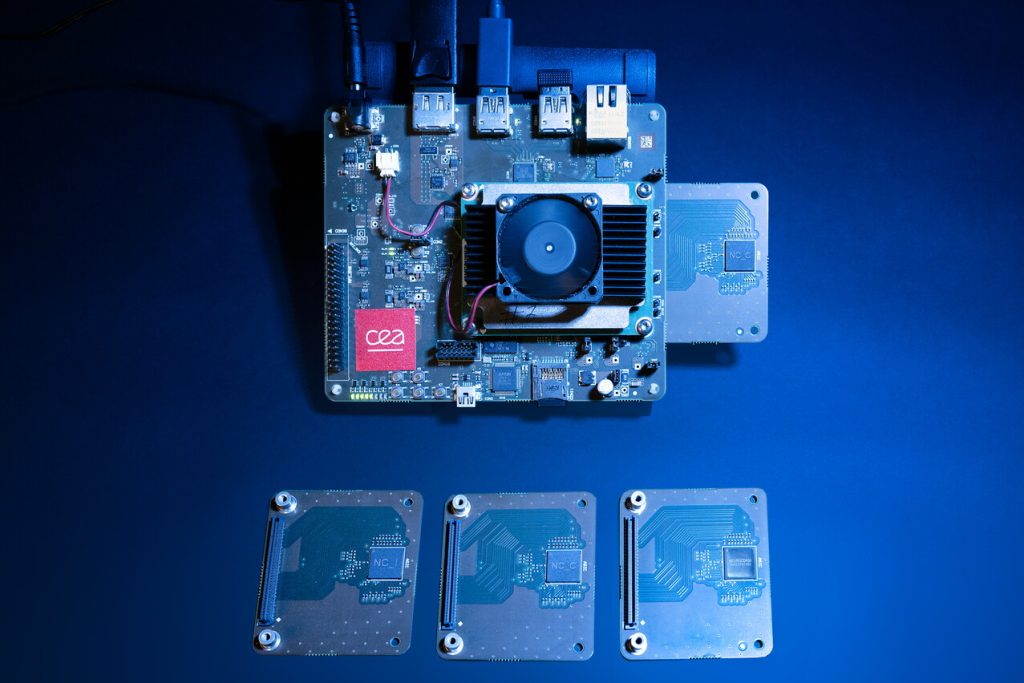
AI is at the heart of our daily lives and of the challenges facing industry: Decision support, process optimization, quality control, etc. The explosion in its uses goes hand in hand with the dual requirement to maximize performance and minimize the energy consumption of computing. CEA research makes it possible to anticipate emerging constraints with competitive, energy-efficient, and trustworthy AI technologies.
Mastering simulation and High-Performance Computing
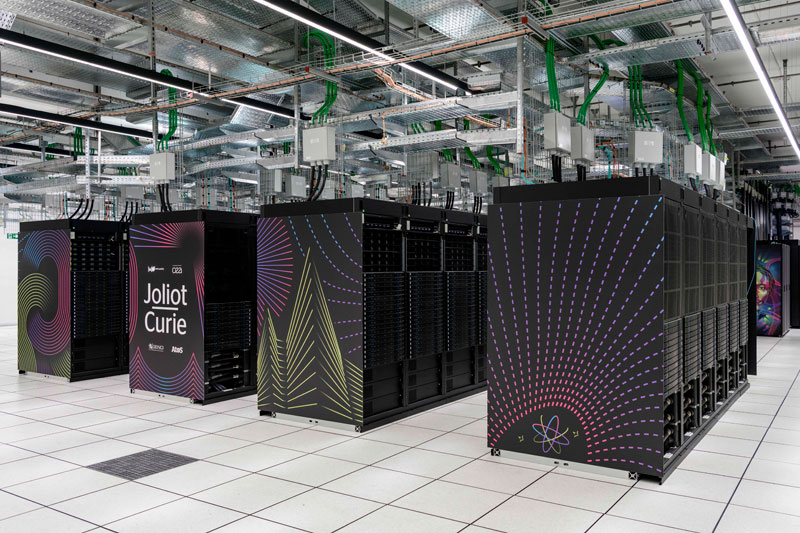
Numerical simulation is an essential tool for fundamental sciences, industry, and defence. It allows to predict the behaviour of complex objects and understand phenomena that are difficult to access, for which real-world experiments are very expensive, or even impossible or prohibited. The ability to implement it, as well as the processing of large volumes of data and artificial intelligence, relies on high-performance computing and supercomputers. The CEA operates the CEA’s Very Large Computing Centre (TGCC), which is preparing to host the next European exascale supercomputer, Alice Recoque.
Developing Quantum Technologies
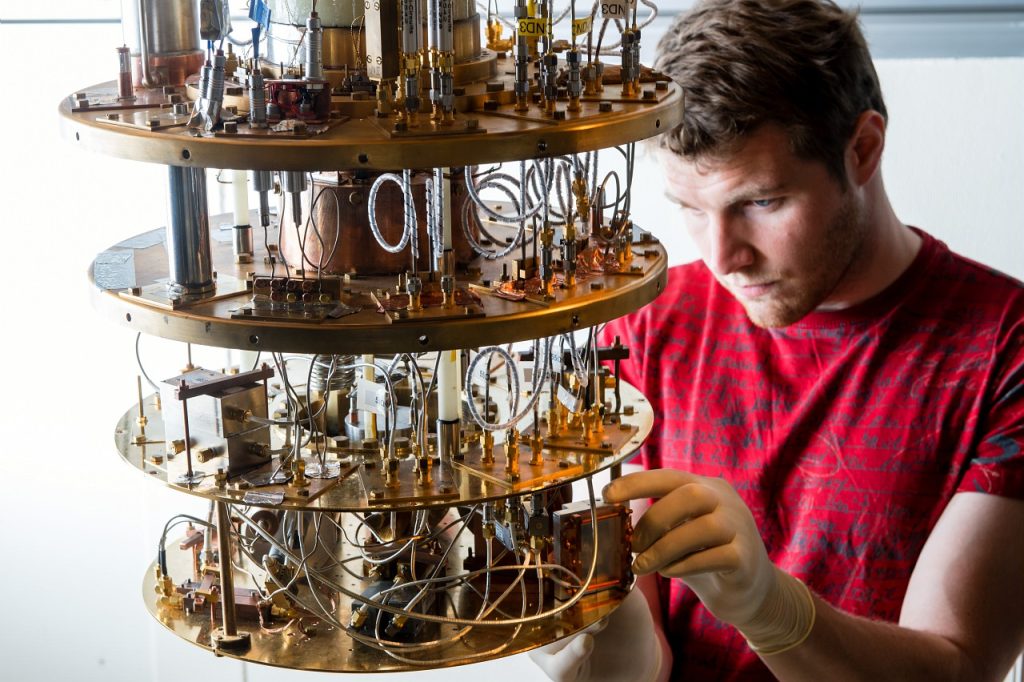
For over thirty years, the CEA has been a key player in fundamental and applied research in the field of quantum computing. Conducted within the framework of public and private partnerships, at both national and European levels, this research focuses in particular on two types of quantum bit (qubit): Superconducting and silicon. CEA researchers are also exploring new materials for quantum technologies. In parallel, they are working on quantum communication and are pioneers in the development of algorithms and the securing of messages via post-quantum cryptography.
Creating the technologies for the medicine of the future
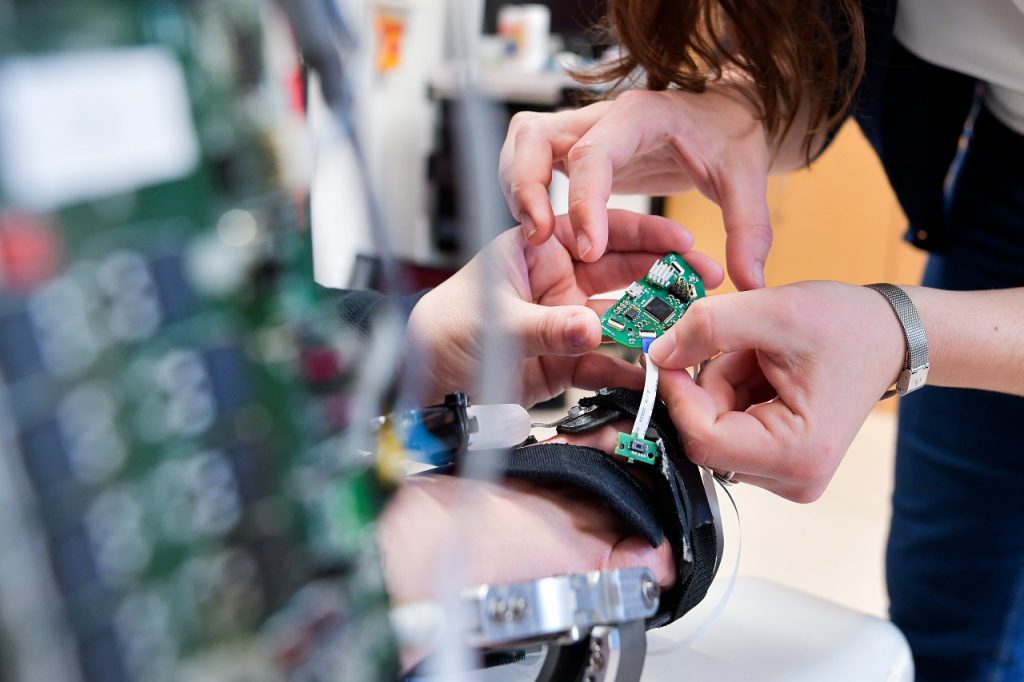
The rise of digital technology combined with medical advances will contribute to a revolution in patient care. The CEA develops digital tools to explore and understand living organisms, to work on processing big data in healthcare, and for connected medicine.
Ensuring the cybersecurity of systems and infrastructure
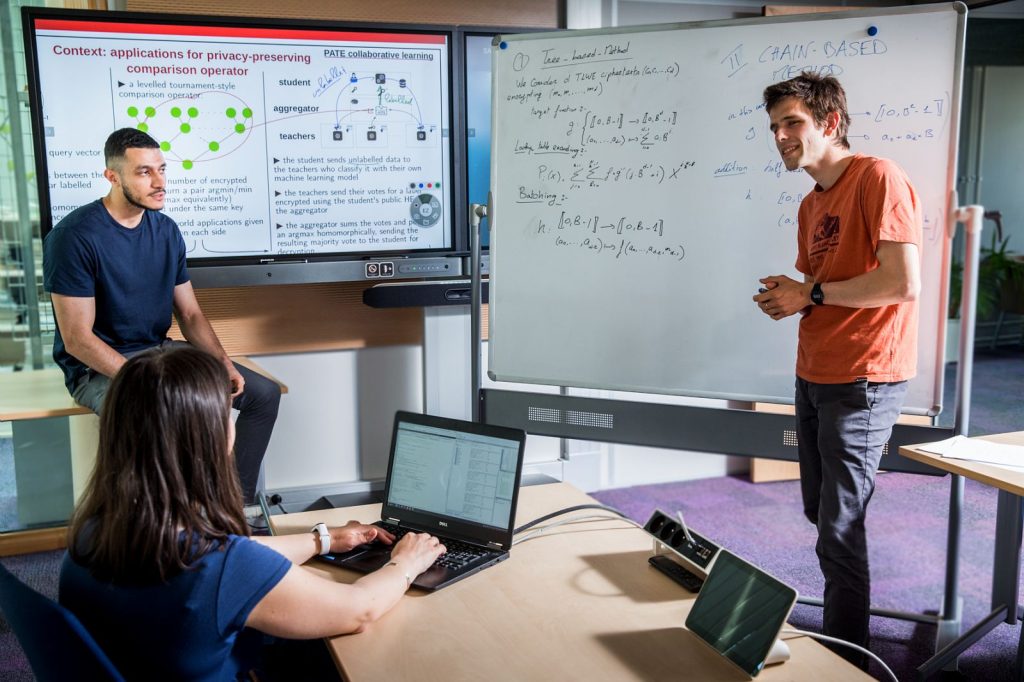
Cyber threats are constantly growing, fueled by the continuous advancements in digital technology. No sector is immune: Industries, cities, hospitals, defence, etc. The CEA positions itself as a trusted partner for the French State. Its objectives are to diagnose vulnerabilities to attacks, strengthen security against new risks and threats, and ultimately support experts.
Credits : L. Godart/CEA, Lee/CEA, R.Poulverel/CEA, A. Aubert/CEA